


Konigil – A Vibrant Tourist Village Showcasing Over 30 Uzbek Traditional Crafts and Experiences
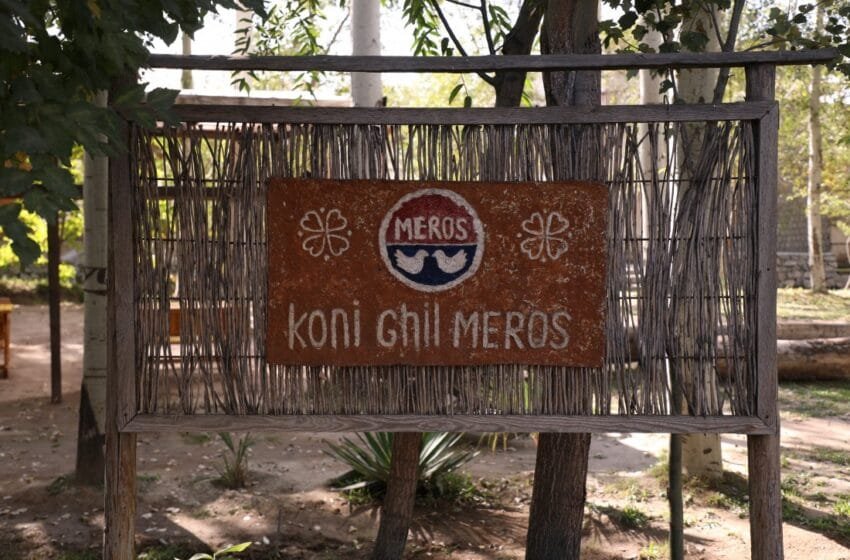
Konigil – A Vibrant Tourist Village Offering a Glimpse into Uzbek Traditions
Nestled near the historic city of Samarkand, Konigil Tourist Village provides an unparalleled opportunity to delve deep into the traditions, culture, and crafts of Uzbekistan. This captivating destination offers visitors a hands-on experience of local life, allowing them to witness centuries-old practices that remain alive and well in this charming community.
Whether you’re a history enthusiast, a culture seeker, or simply someone eager to explore new experiences, Konigil is the perfect destination to immerse yourself in the essence of Uzbekistan’s rich heritage.
Table of Contents
A Living Museum of Uzbek Village Life
Set in an eco-friendly area along the serene banks of the ancient Siyob Canal, Konigil recreates the essence of a traditional Uzbek village. This ethno-village spans several hectares and showcases every aspect of rural life, making it a living museum of Uzbek heritage. Here’s what makes Konigil so special:
- Traditional Architecture: Walk through the lanes of Konigil and admire homes constructed with natural materials such as clay, wood, and straw. These structures offer a glimpse into the architectural ingenuity of the past, where every design element had both functional and aesthetic value.
- Daily Life and Household Practices: Visitors can observe and participate in various household activities that have been practiced for generations. These include:
- Bread Baking: Learn to make the iconic Samarkand tandoor bread, known for its unique flavor and texture, baked in traditional clay ovens.
- Grain Milling: See how water-powered mills are used to grind grains into flour, a practice that dates back centuries.
- Oil Extraction: Witness the age-old methods of producing natural oils from nuts and seeds using traditional millstones.
- Agricultural Life: The village showcases the harmony between humans and nature. Watch locals tend to their gardens, feed livestock, and grow crops, giving you an authentic glimpse into the agrarian lifestyle of Uzbekistan.
The Crown Jewel: Samarkand Silk Paper Workshop
A standout feature of Konigil is its Silk Paper Workshop, a place where history meets craftsmanship. This workshop is dedicated to the revival of the ancient art of making Samarkand silk paper, a tradition that dates back to the early Middle Ages. This paper, prized for its durability and elegance, was once a key export along the Silk Road.
The Silk Paper-Making Process
Visitors can follow the entire process of creating silk paper:
- Harvesting Mulberry Bark: The primary raw material, mulberry bark, is carefully stripped and prepared.
- Soaking and Pulping: The bark is soaked and mashed to create a pulp.
- Sheet Formation: The pulp is spread onto frames to form thin sheets of paper.
- Drying and Finishing: The sheets are dried and polished to produce the final product.
In addition to witnessing the process, visitors can participate in creating their own paper sheets and purchase unique handmade products, including notebooks, cards, and decorative items.
Explore the World of Traditional Crafts
Konigil is a hub of traditional craftsmanship, offering a chance to witness and engage with artisans practicing ancient trades. The village hosts workshops for:
- Woodworking: Watch skilled carpenters craft intricate designs for furniture, ornaments, and tools.
- Pottery: Observe potters shape clay into beautiful vessels and try your hand at molding your own masterpiece.
- Blacksmithing: Discover the art of forging metal into tools, jewelry, and decorative items.
- Embroidery and Weaving: Marvel at the intricate patterns embroidered by local craftswomen and learn about the techniques used to create vibrant textiles.
The village also features artists who create clay figurines and paint stunning landscapes, ensuring there’s something to inspire everyone.
A Culinary Journey Through Uzbekistan
Food lovers will find Konigil a delightful destination, as it offers a variety of traditional Uzbek dishes prepared using age-old recipes. The culinary highlights include:
- Samarkand Plov: Experience the authentic flavors of this iconic rice dish, cooked in large cauldrons.
- Tandoor Bread: Taste freshly baked bread straight from the clay oven.
- Samsa and Kebabs: Savor the rich flavors of these popular local snacks.
In addition to enjoying these dishes, visitors can join cooking classes to learn how to prepare them, making their visit a truly immersive experience.
An Oasis of Culture and Tranquility
Konigil’s scenic setting makes it an ideal place to relax and unwind. The village is surrounded by lush greenery, and its location along the Siyob Canal adds to its serene atmosphere. Visitors can stroll through the village, enjoying the fresh air and picturesque views, while soaking in the rich cultural heritage that surrounds them.
A Must-Visit Destination Near Samarkand
Konigil Tourist Village is located on the outskirts of Samarkand, not far from the Ulugh Beg Observatory, making it a convenient addition to your travel itinerary. Despite its proximity to the city, Konigil offers a peaceful escape from urban life, allowing visitors to experience the slower pace of rural living.
For those traveling independently, it’s recommended to arrange round-trip transportation, as public transit options may be limited on weekdays. The best time to visit is either in the morning or late afternoon, to avoid the midday heat and fully enjoy the village’s offerings.
A Timeless Journey into Uzbek Heritage
Konigil Tourist Village is more than just a destination; it’s an immersive experience that connects you to the heart of Uzbekistan’s culture and history. From the revival of ancient crafts to the preservation of traditional lifestyles, Konigil offers a glimpse into a world that continues to inspire and captivate. Whether you’re crafting silk paper, savoring traditional dishes, or simply wandering the peaceful streets, Konigil promises memories that will last a lifetime.


1 Comment
[…] village near Samarkand is home to one of the last silk paper workshops in Central Asia. This unique paper was once exported along the Silk Road and used for religious and […]