

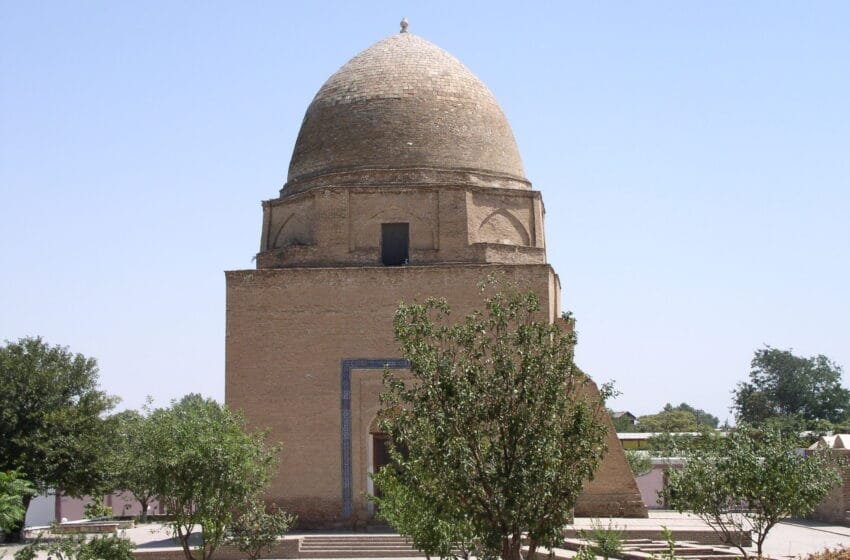
Mausoleum of Rukhabad: A 14th-Century Spiritual Landmark in Samarkand with
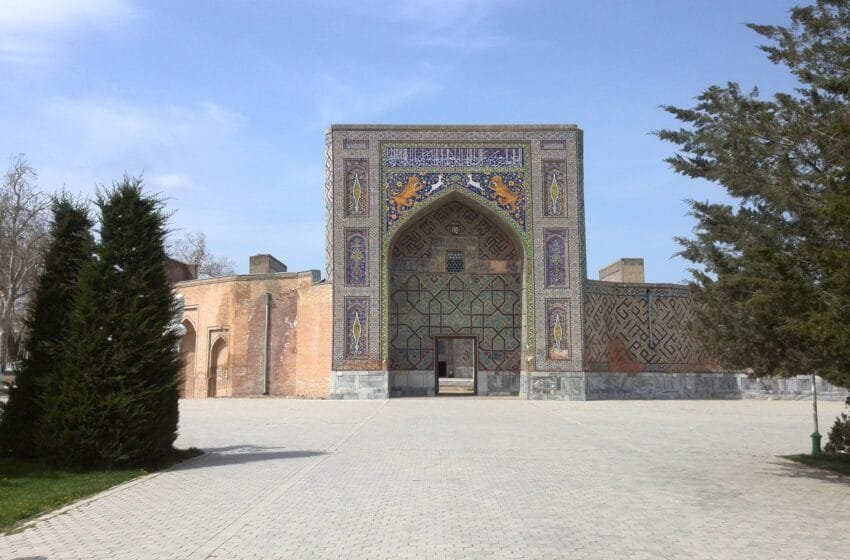
The Mausoleum of Rukhabad (Uzbek: Ruhobod maqbarasi), meaning “Abode of the Spirit,” is a significant 14th-century memorial and religious structure located in
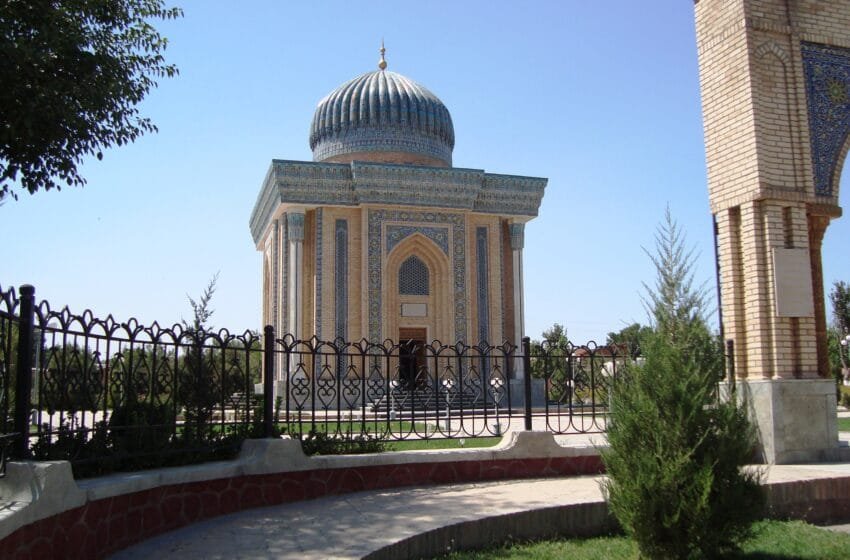
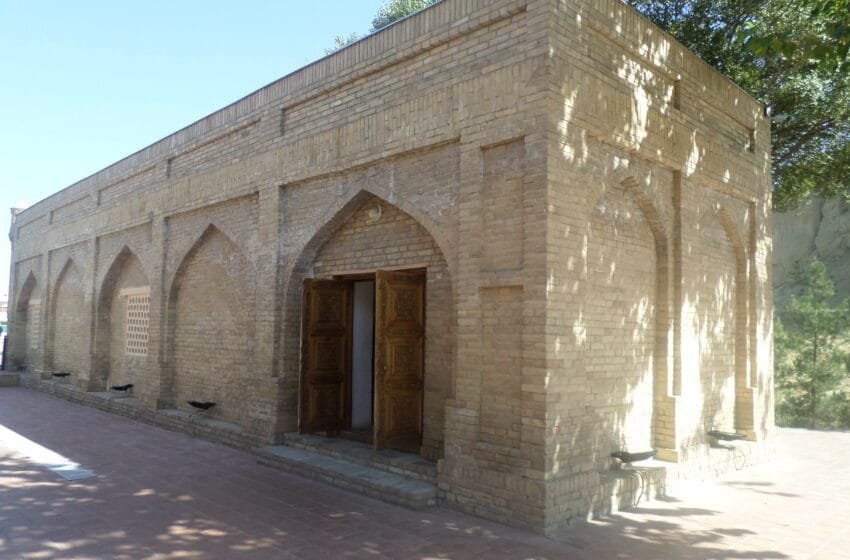
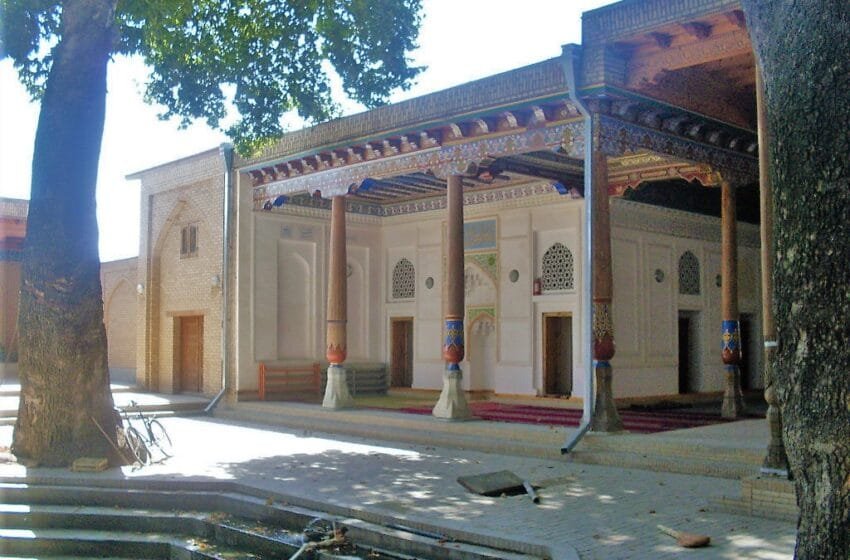
Mausoleum of Abu Mansur al-Maturidi: A Testament to Islamic Scholarship The Mausoleum of Abu Mansur al-Maturidi, located in the historic city of
Mausoleum of Khodja Doniyor: A Sacred Site of Multifaith Reverence The Mausoleum of Khodja Doniyor, located in the northeastern part of Samarkand
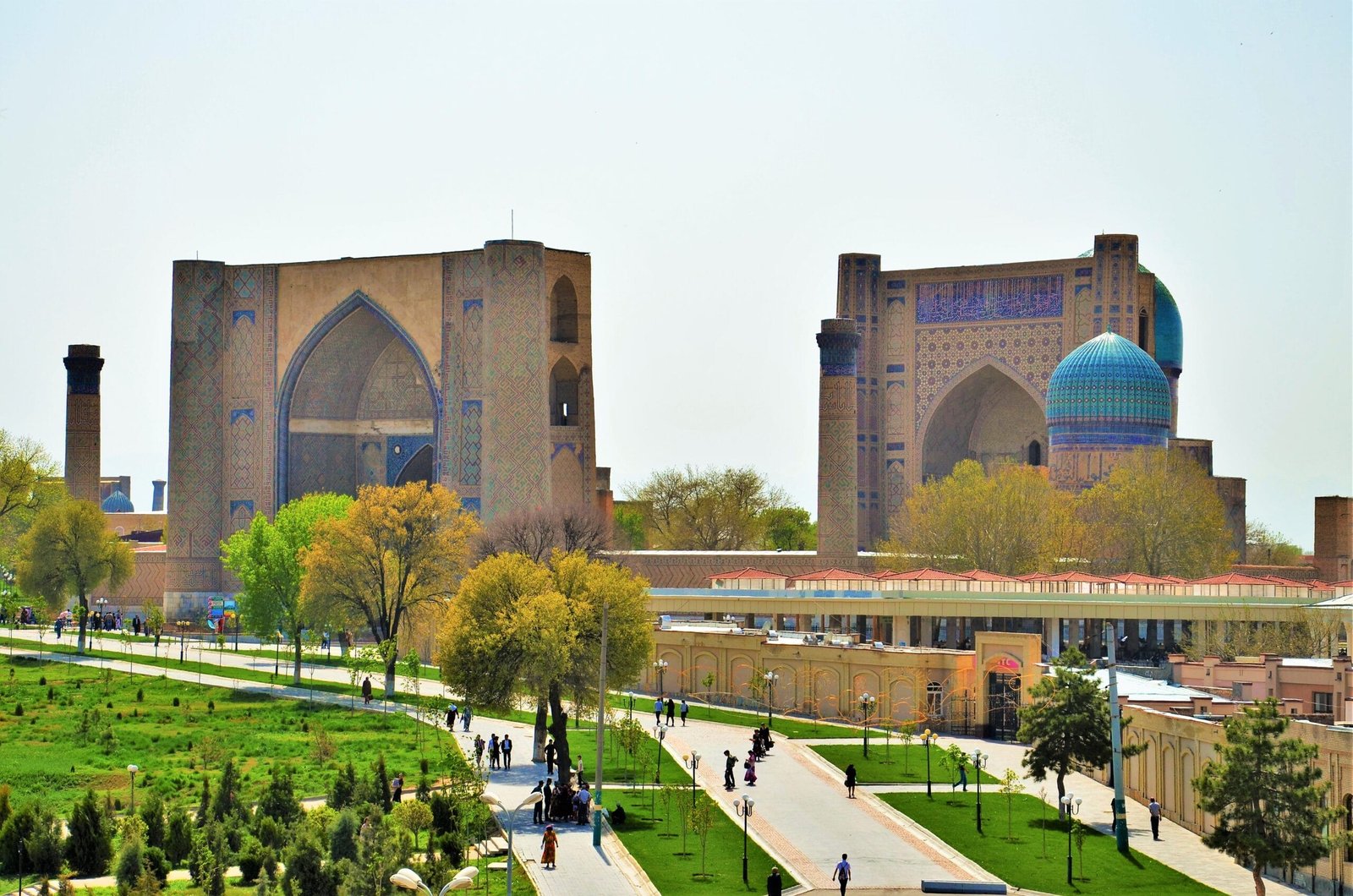
The Bibi-Khanym Mausoleum and the Bibi-Khanym Mosque, located in the heart of Samarkand, stand as monumental tributes to the architectural and cultural
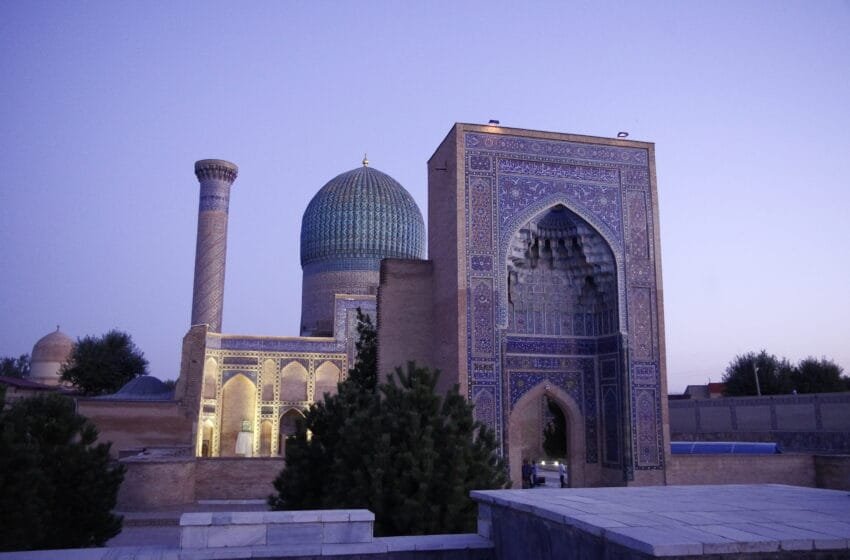
Gur-e-Amir stands as a monumental symbol of the Timurid dynasty, reflecting the architectural grandeur and cultural legacy of Amir Timur’s era.
The Khoja Ahrar Ensemble is a remarkable complex of memorial, religious, and spiritual-educational structures that evolved between the 15th and 20th centuries.
Abdi-Darun, also referred to as Abdu-Darun, is a significant memorial, religious, and spiritual complex located at the Old Cemetery of Samarkand in
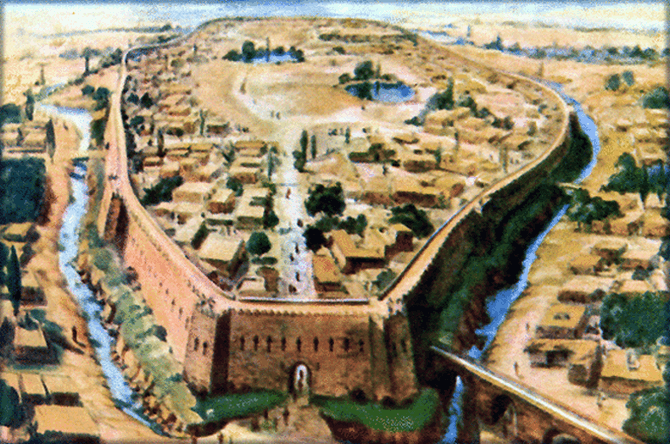
Afrasiab, also referred to as Afrosiab, Afrosiyob, or Afrasiyab, is an ancient archaeological site spanning over 200 hectares in the northern part of
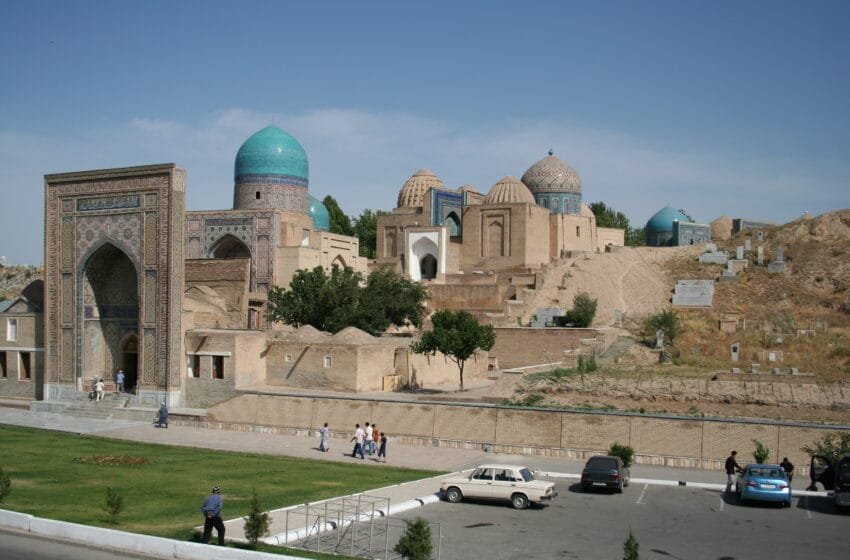
Shah-i-Zinda (Uzbek: Shohizinda, Persian: شاه زنده, meaning “Living King”) is a stunning medieval architectural complex in Samarkand, Uzbekistan. This remarkable site consists of a
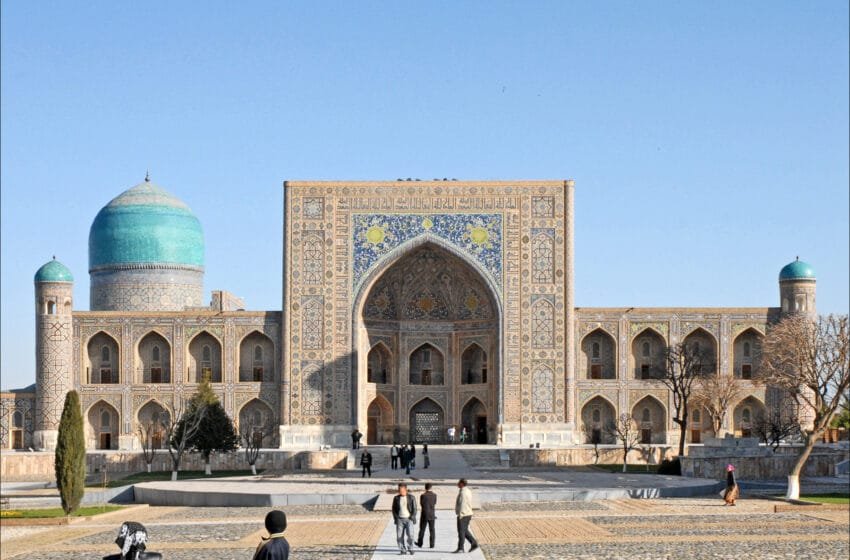
Tillya-Kari Madrasah (Tillakori madrasasi in Uzbek, meaning «Gold-Covered Madrasah») is a magnificent 17th-century Islamic cultural, spiritual, and educational monument located on the